1. Read
Examine the argument through a book, essay, briefing or practical tool.
You may have been taught that qualifications create security, hard work guarantees progress, pensions solve later life or confidence should wait until your record speaks for itself.
Rob's books and the Institute's frameworks examine those assumptions, show where they may fail and help readers ask better questions before committing their time, money or professional future.
Examine the argument through a book, essay, briefing or practical tool.
Challenge the idea against your circumstances, assumptions and available evidence.
Use a Decision Lab, coaching engagement, working session or organisational programme.
Review what changed, what did not and what evidence still needs to be gathered.
Each book challenges a familiar assumption. It does not promise a simple answer or remove the need for your own judgement.
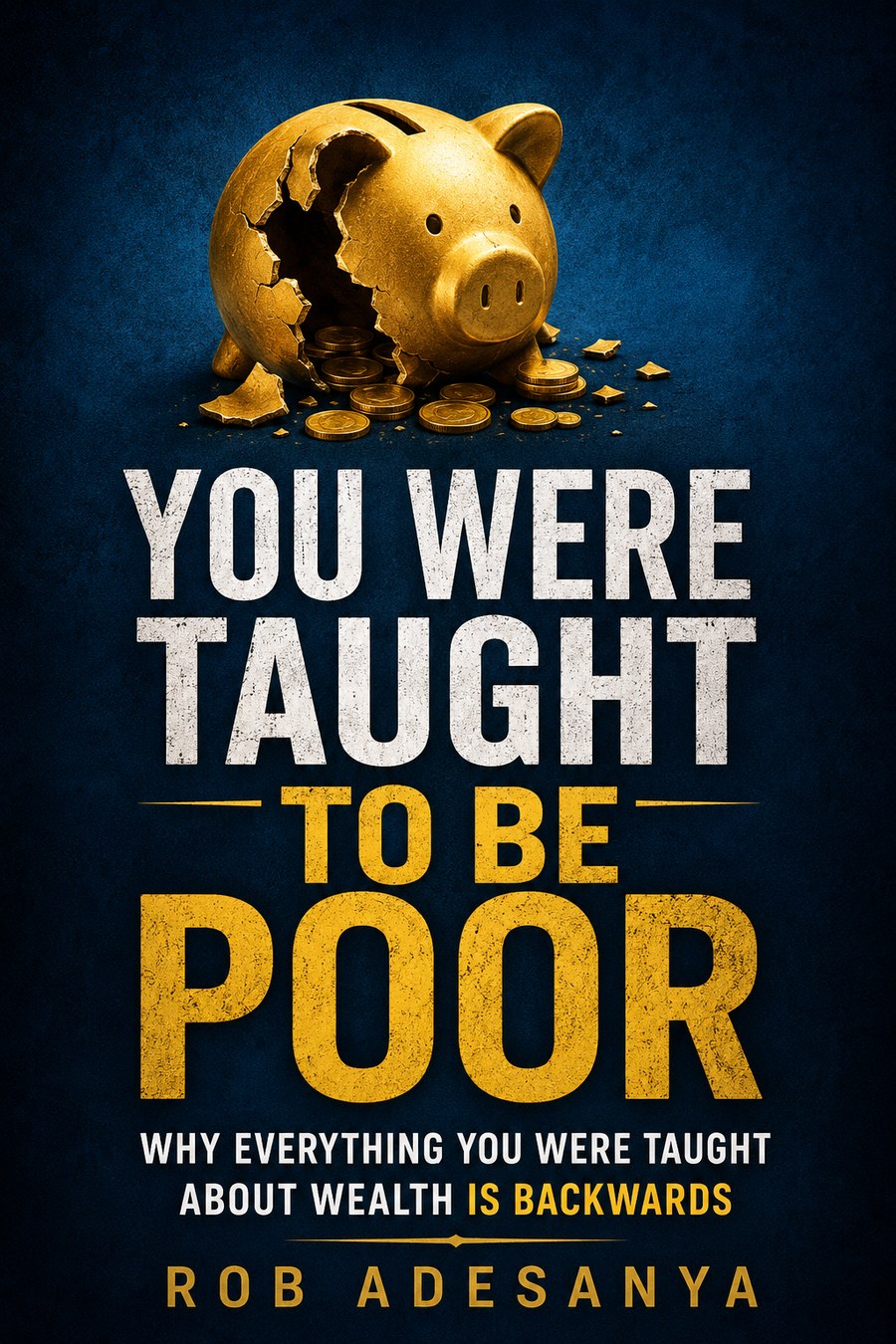
Question: Why can responsible people follow the accepted financial rules and still feel vulnerable?
The book examines assumptions about work, wealth, security, ownership and control. It is not an investment guide or a promise of financial independence.
May be useful for: readers who want to question the financial map they inherited before deciding what should change.
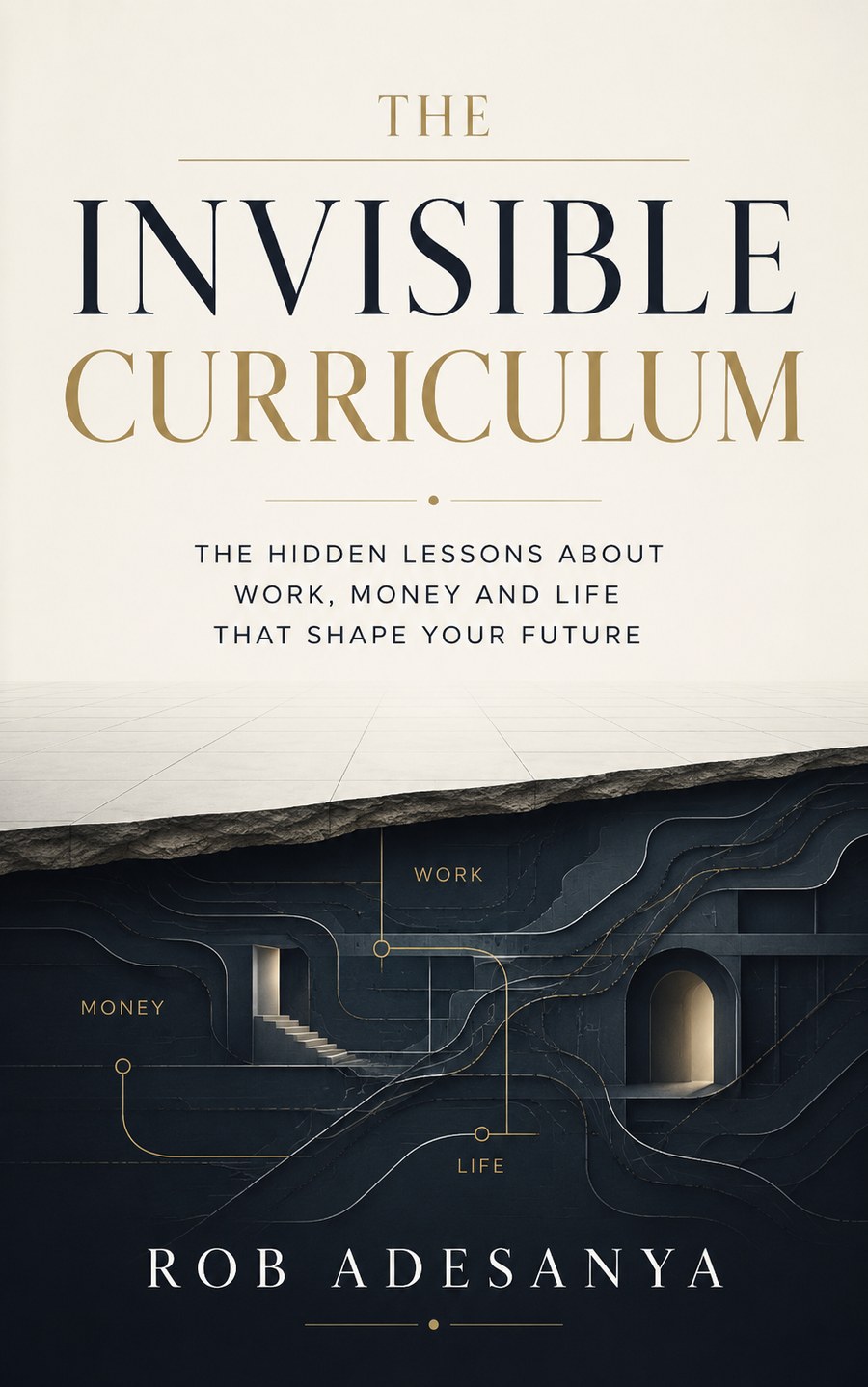
Question: What are capable people expected to understand even though nobody formally teaches it?
The book examines the unwritten expectations affecting trust, opportunity, visibility, progression and whether formal knowledge becomes useful.
May be useful for: professionals whose technical ability is stronger than their access, influence or recognition.
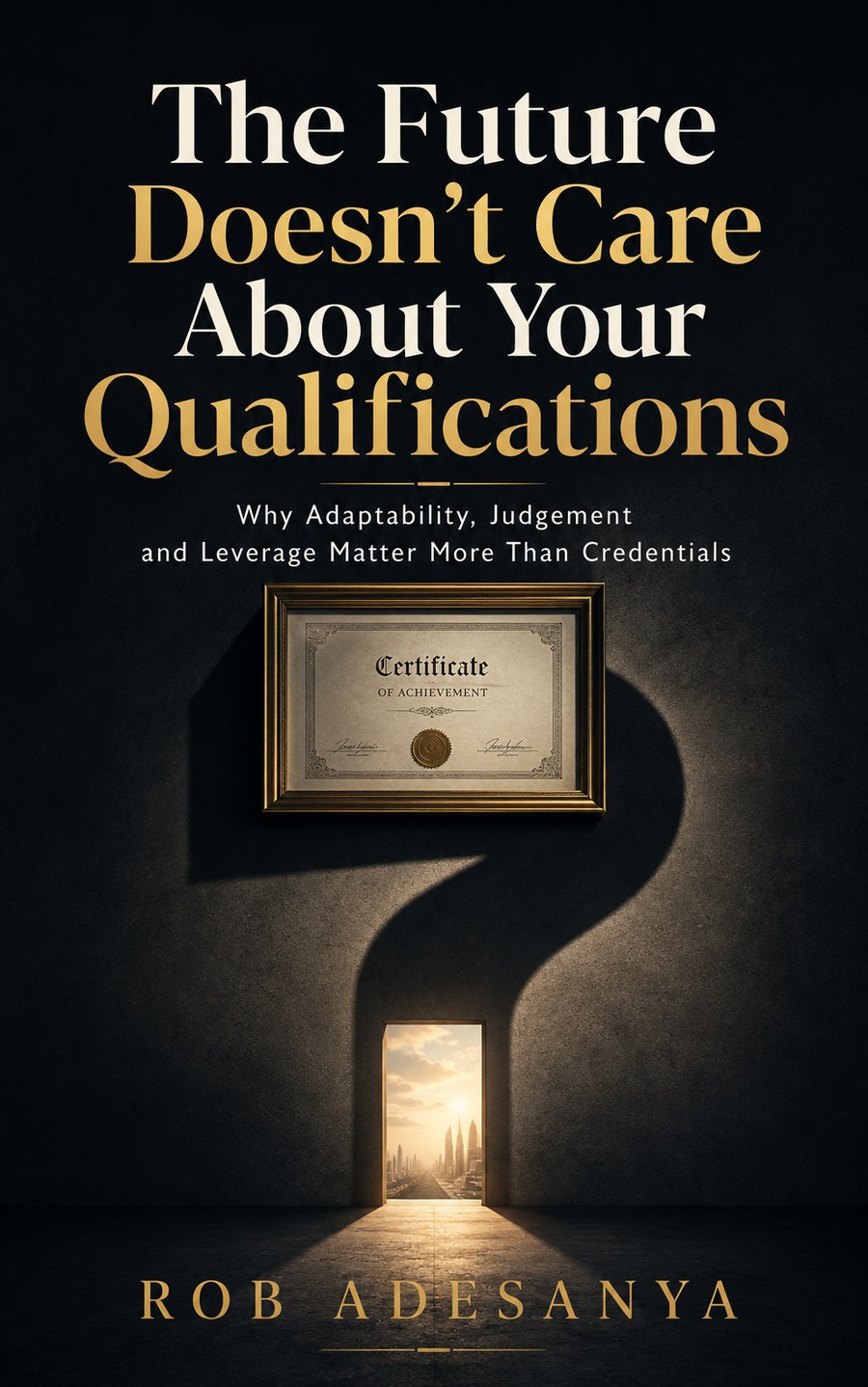
Question: If qualifications still matter but are no longer sufficient, what else must you build?
This is not an anti-education book. It examines why qualifications cannot carry adaptability, judgement, practical proof and continuing value on their own.
May be useful for: graduates, professionals, parents and organisations preparing for changing work.
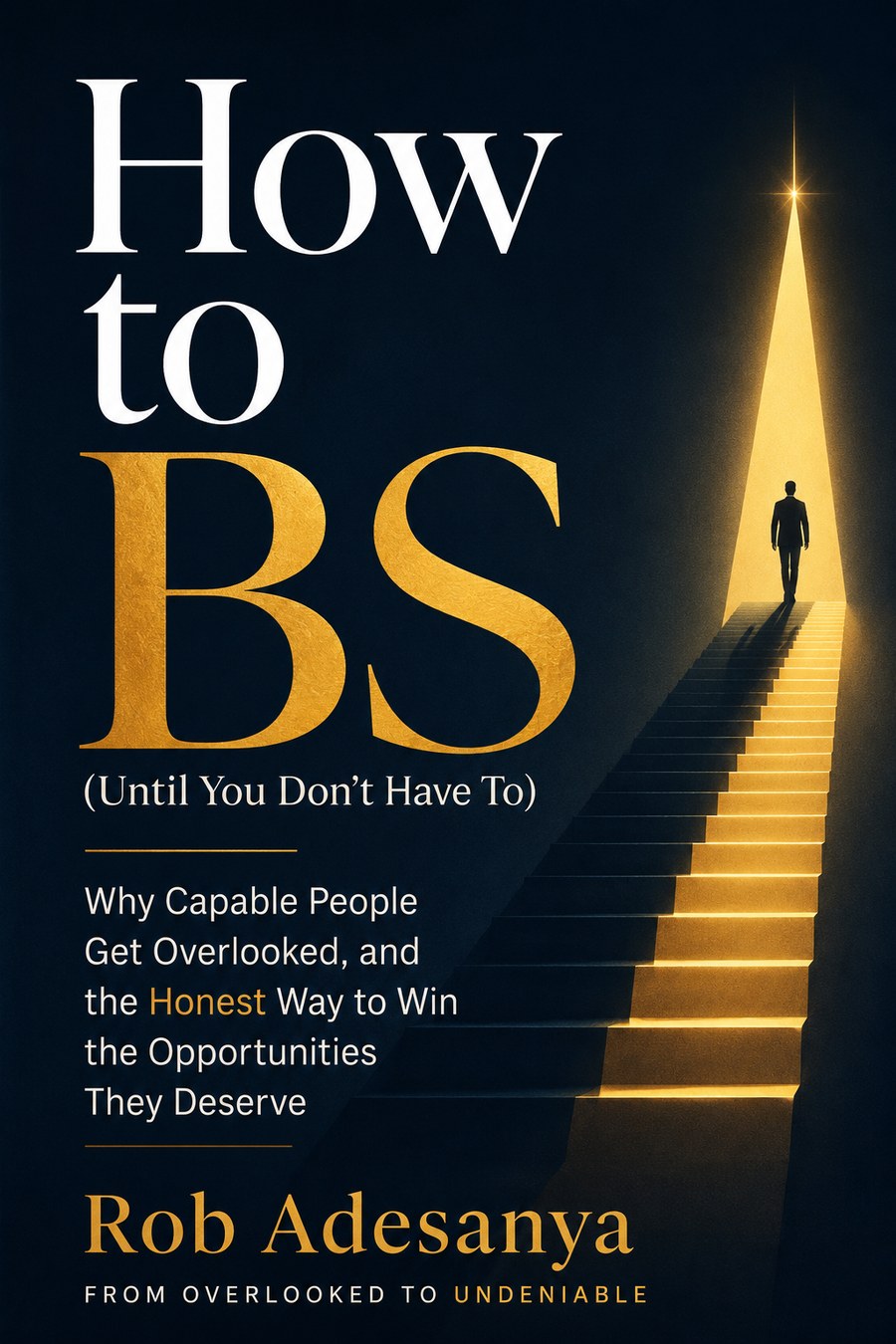
Question: How can you put yourself forward before you have an established record without pretending to be something you are not?
BS means Belief and Substance, not lying or faking competence. Belief helps you pursue the opportunity. Substance allows you to justify and retain it.
May be useful for: capable people who need to communicate value before their record speaks for itself.
The frameworks turn an argument into questions, records and decisions that can be examined.
Question: How do you decide when evidence is incomplete, interests conflict and every option carries consequences?
Read the framework, download the leadership briefing or explore its application through leadership development and Decision Labs.
Question: What happens after participants leave the training room?
Use the organisational scorecard and action guide to examine practice, opportunity, reinforcement and evidence of workplace application.
Use the TestQuestion: Before AI contributes to important work, what may it do, what must a qualified person verify and who owns the final decision?
Use the tool or examine a live organisational use case through the Institute's AI-adoption work.
Use the BoundaryA book or framework may support a keynote, facilitated discussion, leadership-team working session, private Decision Lab, organisational programme or internal reading initiative.
The appropriate format depends on what people should be able to decide, say or do afterwards.
Purchasing a book does not automatically grant permission to reproduce it, distribute substantial extracts or use Institute material in commercial training.
Any organisational licence, facilitated use or reproduction permission must be agreed in writing. Ordinary quotation and other lawful uses remain subject to applicable copyright rules.
Books, articles, frameworks and Decision Labs provide education and general information. They do not provide individual investment, pension, tax, mortgage, legal or other regulated advice.
Examples, scenarios and historical comparisons do not guarantee future returns or outcomes. Readers remain responsible for obtaining appropriately authorised advice for decisions specific to their circumstances.
Reading can change the question. Application shows whether the answer changes anything.