Speaking • Media • Thought Leadership

Your audience may enjoy the session. What will they still use after the event?

A speaker can fill a slot, create energy and receive polite applause. But if the audience cannot remember the central idea, connect it to their own work or do anything differently afterwards, the value disappears when the room empties.

As an organiser, you need more than an interesting biography. You need a speaker who understands what your audience is facing, communicates a clear position and gives people ideas they can continue using after the event.

Rob Adesanya speaks about consequential judgement, leadership, organisational capability, AI and the human capabilities that matter as work changes.

His sessions combine clear thinking, practical examples and questions that help audiences examine their own decisions, responsibilities and working practices.

Tell us what your audience is facing, what conversation you want to create and what should remain useful afterwards.

Before choosing a speaker

Could you answer these questions?

  • What is your audience currently facing?
  • Which belief, behaviour or assumption should the session challenge?
  • What should people understand more clearly afterwards?
  • What should they be able to discuss or do differently?
  • Why does this conversation matter now?
  • Does your audience need inspiration, practical application or both?
  • What would make the session feel valuable after the event is over?
Speaking themes

Choose the conversation your audience needs.

Each theme can be adapted to the audience, event purpose and agreed outcome.

01

When taking action, delaying and doing nothing all carry consequences

How should leaders decide when evidence is incomplete, stakeholders disagree and every available option creates a risk? Audiences examine what responsible judgement requires before, during and after a difficult decision.

02

Why training does not automatically become capability

People can understand a model inside a programme and still fail to use it when work becomes pressured, political or uncertain. Audiences examine what turns learning into independently usable performance.

03

AI can produce an answer. Who remains accountable for the decision?

AI can accelerate analysis and recommendations while making errors easier to scale and responsibility harder to locate. Audiences examine where AI may assist, where verification is required and where a named human must remain responsible.

04

What will make you valuable when familiar work changes?

Automation can reduce the value of familiar tasks faster than people expect. Audiences examine the judgement, relationships, communication and contribution that remain valuable as roles change.

05

The rules of work nobody explains

Qualifications and technical ability may open a door without teaching someone how trust, influence, credibility and opportunity actually work. Audiences examine the invisible expectations affecting progression and professional impact.

06

Why good ideas fail to gain support

A strong proposal can still be ignored if it is unclear, badly timed or disconnected from the people whose support is required. Audiences examine how trust, communication and responsible influence affect whether ideas move forward.

Rob’s approach

A clear position, practical application and respect for the audience.

The purpose is not simply to create energy in the room. The session should give the audience a central idea, useful language or practical questions they can continue applying afterwards.

  • Complex ideas explained in plain language
  • Familiar assumptions challenged without relying on provocation alone
  • Ideas connected to real decisions and workplace pressures
  • Practical examples rather than motivational slogans
  • Questions, language or tools the audience can continue using
  • Content adapted to the event’s purpose and audience
Formats

Ways to work together

Keynote

A focused 30 to 60-minute talk built around one central idea and adapted to the audience.

Interactive keynote

A talk combined with audience questions, live cases or facilitated discussion.

Executive session

A smaller session for senior teams examining a specific leadership or organisational question.

Workshop or Masterclass

A longer applied format involving exercises, cases and practical tools.

Panel or fireside conversation

A structured contribution alongside a host or other experts.

Opening or closing address

A session designed to establish the event’s central question or connect its main lessons.

Sessions may be delivered in person, online or in a hybrid format, depending on the event, audience and purpose.

From enquiry to delivery

What happens after you enquire?

1. Describe the event
Provide the date or window, location, audience, purpose, format and theme.
2. Assess the fit
The Institute reviews whether Rob’s expertise and availability match the requirement.
3. Clarify the outcome
If there is potential fit, we discuss what the audience should understand, question or use afterwards.
4. Receive a proposal
The written proposal confirms the scope, format, fee, preparation, expenses and relevant terms.
5. Prepare the session
Rob adapts the content to the agreed audience and brief without making unsupported claims about the organisation.
In person or virtual

Request the right format for your event.

Speaking may be delivered in person, live online or in a suitable hybrid format.

Fees are quoted according to the event, audience, preparation, format, location and agreed use of the session.

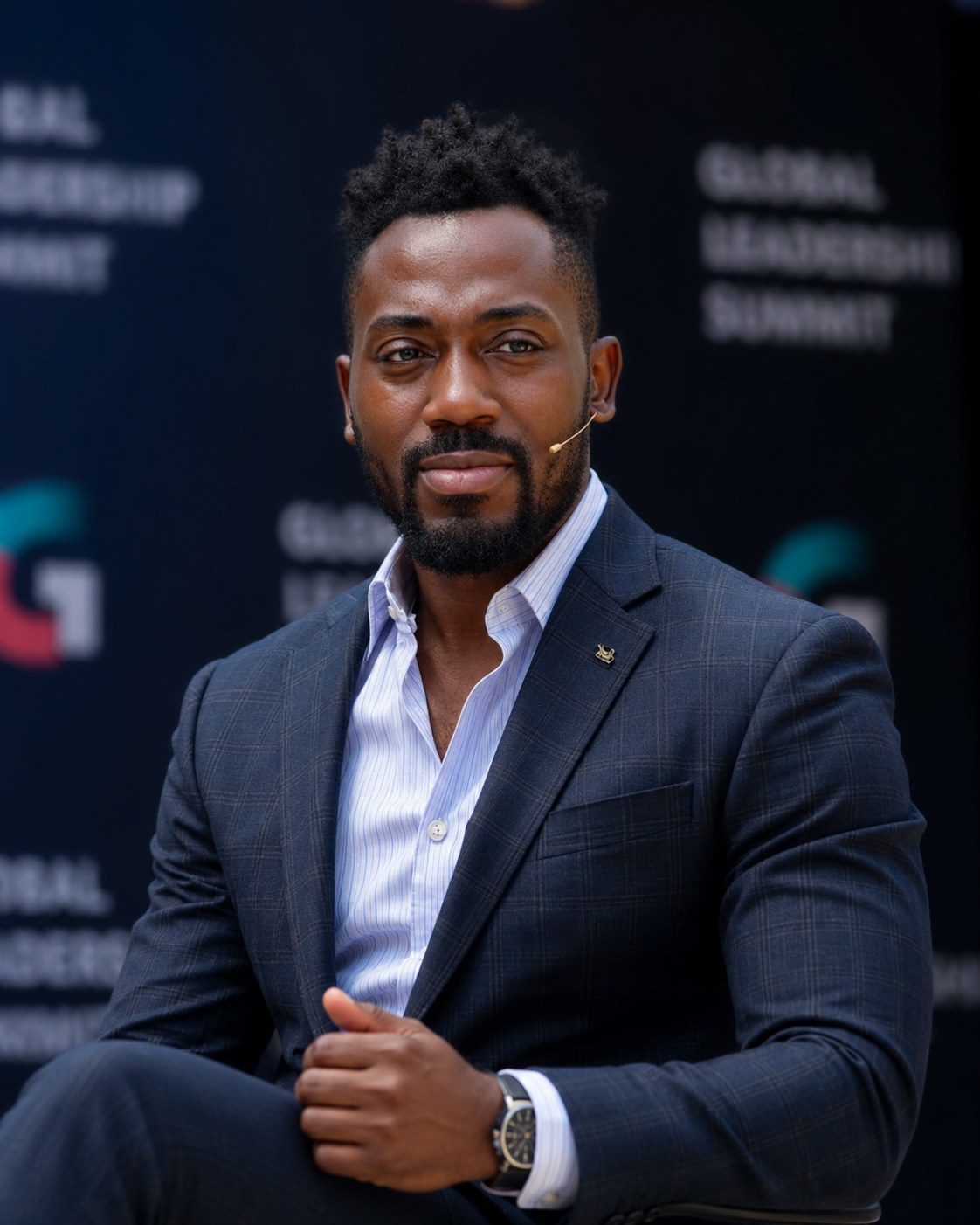
Rob Adesanya, founder and principal adviser of The Rob Adesanya Institute
Credibility

Practitioner, author and founder.

Rob Adesanya is the founder and principal adviser of The Rob Adesanya Institute. He is a Chartered Manager, Chartered Member of the CIPD, qualified teacher, executive educator and author.

He brings more than 20 years of experience in training, facilitation, leadership and organisational capability. He has delivered to professional audiences across the UK, Europe, Africa, the Gulf region, Latin America and Asia, in settings including government, energy, telecommunications, banking and public administration.

His work connects original ideas with practical decisions, conversations and workplace pressures.

Rob works with leadership and people conferences, corporate leadership programmes, senior teams, government and public-sector forums, universities, business schools, professional associations and events focused on AI, work and organisational capability.
Media and podcasts

Clear thinking for serious conversations.

Rob is available for selected podcasts, panels, interviews and expert commentary where the subject connects meaningfully to his work. He is a clear, considered guest on:

  • The future of work, AI and human judgement.
  • Leadership, capability and organisational change.
  • Qualifications, careers and the hidden rules of professional life.

For a podcast, interview, panel or media contribution, include the outlet, intended audience, recording or publication date, format, subject, expected duration and whether the contribution is live or recorded.

For organisers and hosts

Start with the audience and the outcome.

Tell the Institute what your audience is facing, the conversation you want to create and what should remain useful afterwards.

Start a speaking enquiry
Enquire about speaking

Tell us about your event and audience.

Tell us about your event, audience and the outcome you want the session to support. The Institute will review the enquiry and respond with a fit assessment, availability position and suggested next step.

Helpful details to include: event name, date or window, location, audience and seniority, preferred format, session length, theme and what should remain useful afterwards.

Use the enquiry form and select “Speaking or event”.

Start a speaking enquiry